Harnessing the power of viruses to treat Huntington's disease
Researchers design a virus to more effectively deliver gene-silencing drugs throughout the brain.

New therapies for disorders like Huntington’s disease are on the way, but getting the drugs to enter brain cells can be a major challenge. A group of scientists has redesigned and tested a harmless virus that can efficiently deliver a ‘gene silencinggene silencing An approach to treating HD that uses targeted molecules to tell cells not to produce the harmful huntingtin protein’ message throughout the brain in mice, much further than naturally occurring viruses can reach. What’s more, it can be given with a simple injection into the blood, offering great potential for research in gene silencinggene silencing An approach to treating HD that uses targeted molecules to tell cells not to produce the harmful huntingtin protein research and beyond.
Delivering advanced therapies to brain cells
Huntington’s disease is caused by an error in the genetic code – a DNA misprint that leads to the construction of a toxic protein, mutant huntingtin. Over time, this bad building block is destructive to brain cells.

One basic strategy in the pursuit of treatments for HD is to send a message to brain cells, telling them to halt production of the harmful huntingtin proteinhuntingtin protein The protein produced by the HD gene.. This is the basis for HD gene silencinggene silencing An approach to treating HD that uses targeted molecules to tell cells not to produce the harmful huntingtin protein. There are several different approaches to this type of therapy, including an ongoing clinical trialclinical trial Very carefully planned experiments designed to answer specific questions about how a drug affects human beings that was the subject of recent Buzz news.
Since every cell contains the HD error in its genetic blueprint, a major challenge in gene silencinggene silencing An approach to treating HD that uses targeted molecules to tell cells not to produce the harmful huntingtin protein research is how to get the drugs to as many brain areas as possible, ideally without needing invasive treatments like brain surgery. Since HD is increasingly thought of as a whole-brain disorder, the most effective therapy would have widespread reach, eliminating mutant huntingtin in a large percentage of nerve cells.
We’re excited about a recent technological advancement in this realm, a modified virus that has the potential to deliver an HD-fighting therapy more effectively than was previously possible. It’s in an early stage of research and is not ready to test in humans, but ultimately it could allow gene silencinggene silencing An approach to treating HD that uses targeted molecules to tell cells not to produce the harmful huntingtin protein drugs to be given non-surgically while traveling farther and more efficiently through the brain.
Harnessing the power of viruses
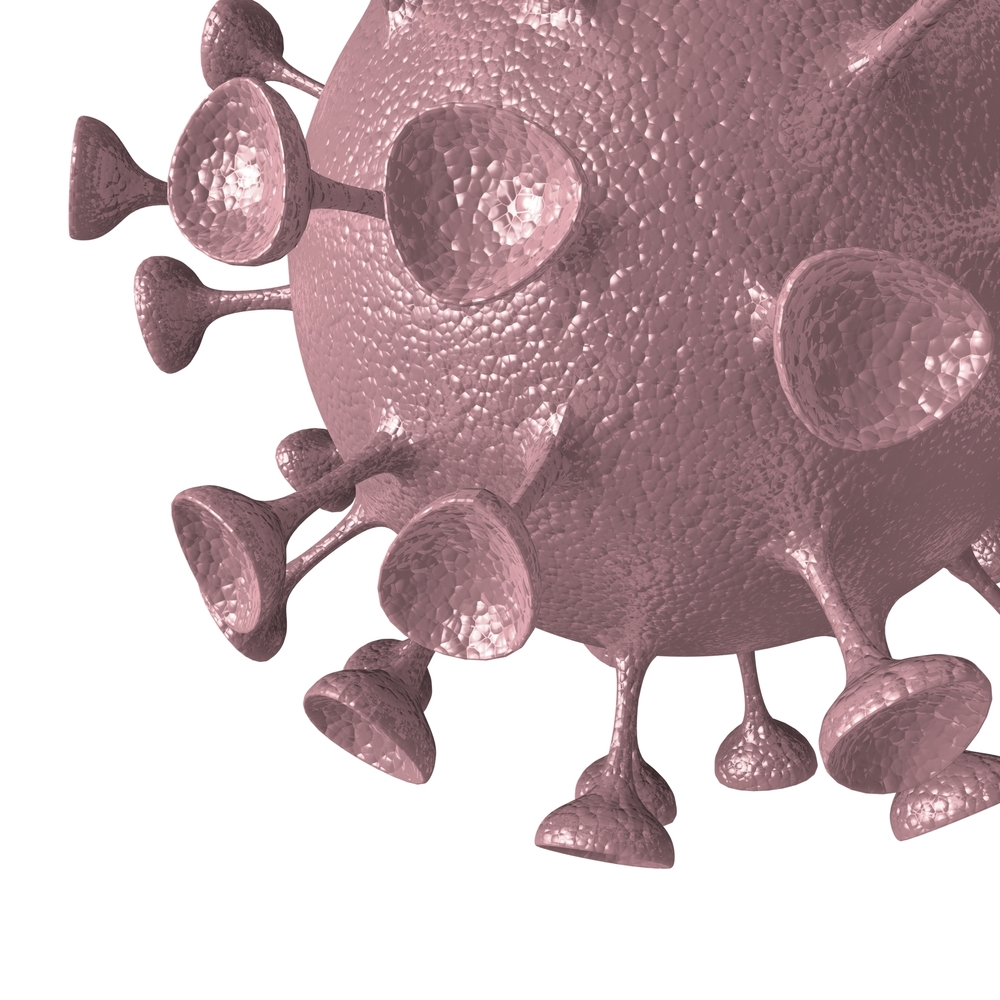
Researchers have long used viruses to study the delivery of genetic material throughout the brain. We’re not talking about illness-causing agents like the flu – these are naturally-occurring but harmless viruses that scientists have modified for research purposes. The goal in the Huntington’s disease field is to harness the viruses’ natural ability to enter cells, and then fill them with genetic messages that will stop the brain from producing mutant huntingtin.
Importantly, one special feature of ‘gene silencinggene silencing An approach to treating HD that uses targeted molecules to tell cells not to produce the harmful huntingtin protein’ drugs is that they are made from chemicals similar to DNA. That’s how they can interact with the machinery in cells that turns a genetic recipe into a protein.
Viruses are essentially little packages of genetic material – DNA or a related substance called RNARNA the chemical, similar to DNA, that makes up the 'message' molecules that cells use as working copies of genes, when manufacturing proteins. – surrounded by an outer shell. The surface of a virus is coated in molecules that act like keys to trick a cell into unlocking its doors and letting the virus in. Once inside, the virus bursts open and releases its genetic material. This is sneaky, because the cell handles the new genetic blueprint as though it was meant to be there all along, churning out virus parts alongside its own business.
In the case of most viruses, like the common cold, this new genetic information hijacks the cell’s machinery, causing it to generate millions of new viruses until the immune system notices the invader and kicks them out. But for the purpose of brain research, scientists can redesign both the virus packaging and its contents. They can equip the capsid with a new set of molecular keys, then fill it with genetic material to perform a therapeutic function – such as blocking the HD gene.
“One virus, AAV-AS, happened to be very good at entering neurons. The protein keys they had attached were highly effective at opening molecular doors on the surface of neurons.”
To experiment with delivering gene silencinggene silencing An approach to treating HD that uses targeted molecules to tell cells not to produce the harmful huntingtin protein drugs in the lab, researchers have historically used a type of harmless virus called an adeno-associated virus or AAVAAV a virus that can be used to deliver gene therapy drugs to cells. AAV stands for adeno-associated virus.. While many AAVs can travel from the bloodstream into the brain, they don’t usually excel at entering neuronsneuron Brain cells that store and transmit information, the cells that are essential for brain function. Instead, they are more likely to get into the brain’s ‘support’ cells. To treat neurodegenerativeneurodegenerative A disease caused by progressive malfunctioning and death of brain cells (neurons) disorders like HD, it’s important to deliver the cargo directly to neuronsneuron Brain cells that store and transmit information – and as many as possible.
Designing a virus to get into neuronsneuron Brain cells that store and transmit information
Recently, a team of collaborators from Massachusetts and Alabama modified AAVs and tested them to see if they could enter neuronsneuron Brain cells that store and transmit information more easily and travel widely throughout the brain. Miguel Sena-Esteves, a scientist working at the Gene Therapy Center at UMass Medical School, headed the study. The scientists genetically modified the AAVAAV a virus that can be used to deliver gene therapy drugs to cells. AAV stands for adeno-associated virus.’s outer surface, adding extra strings of proteins and testing whether these new ‘keys’ would better allow the virus to enter different types of cells in the brain.
They tested their newly minted molecular keys by injecting the viruses into mice through a vein. This is an important point – the AAVAAV a virus that can be used to deliver gene therapy drugs to cells. AAV stands for adeno-associated virus. can travel through the bloodstream and enter the brain without the need for invasive surgery.
Breaking and entering – and blocking huntingtin
One virus, called AAVAAV a virus that can be used to deliver gene therapy drugs to cells. AAV stands for adeno-associated virus.-AS, happened to be very good at entering neuronsneuron Brain cells that store and transmit information, more so than any of the others. The protein keys they had attached were highly effective at opening molecular doors on the surface of neuronsneuron Brain cells that store and transmit information. By filling the AAVAAV a virus that can be used to deliver gene therapy drugs to cells. AAV stands for adeno-associated virus. capsids with genetic code to make a glowing green protein, they could easily show that the virus had reached many, many parts of the mouse brain and spinal cord.
A more effective and far-reaching delivery system like this has huge potential, not only for developing new drugs, but also for basic research about how the brain functions.
The next step was to fill the neuronneuron Brain cells that store and transmit information-friendly virus capsid with gene-silencing material and see whether it was effective in mice. In this case, they used a gene-silencing molecule called microRNA. They chose a microRNA that would block the manufacture of mouse huntingtin, packaged it up in the AAVAAV a virus that can be used to deliver gene therapy drugs to cells. AAV stands for adeno-associated virus.-AS virus, and tested it in a normal mouse.

A single treatment with the virus into the vein in the mouse’s tail reduced the level of mouse huntingtin in many areas of the brain – including up to a 40-50% decrease in the striatum – a very deep brain region affected early in Huntington’s disease. This is impressive, even compared with studies where surgery was used to get gene-silencing treatments into the brain.
The next steps for AAVAAV a virus that can be used to deliver gene therapy drugs to cells. AAV stands for adeno-associated virus. technology
This is undoubtedly exciting stuff, and in time it could be really important for future gene silencinggene silencing An approach to treating HD that uses targeted molecules to tell cells not to produce the harmful huntingtin protein drugs to treat Huntington’s disease. As always, there are a few important points to note.
Importantly, the researchers did not use a mouse model of HD to test their virus – they silenced normal huntingtin in healthy mice, to prove the point that their virus could enter neuronsneuron Brain cells that store and transmit information and complete a gene silencinggene silencing An approach to treating HD that uses targeted molecules to tell cells not to produce the harmful huntingtin protein job. This, of course, is not the ultimate goal – HD gene silencinggene silencing An approach to treating HD that uses targeted molecules to tell cells not to produce the harmful huntingtin protein treatments aim to silence mutant huntingtin, the real culprit. But now that the technology exists, these scientists have the ability to fill the new AAVAAV a virus that can be used to deliver gene therapy drugs to cells. AAV stands for adeno-associated virus.-AS capsid with an HD gene silencinggene silencing An approach to treating HD that uses targeted molecules to tell cells not to produce the harmful huntingtin protein drug against mutant huntingtin and see whether this could have a beneficial effect on symptoms in mice. That’s one likely next step.
The virus travels fairly well through the brain, but it’s not perfect, and further studies will continue to address the challenge of delivering drugs to neuronsneuron Brain cells that store and transmit information. Like many scientific breakthroughs, part of this discovery was accidental – no one’s sure exactly why this molecular key on the AAVAAV a virus that can be used to deliver gene therapy drugs to cells. AAV stands for adeno-associated virus.-AS surface was so effective for getting the virus into neuronsneuron Brain cells that store and transmit information. That will be another subject for future research.
In the meantime, here are the main things that are cool about the newly developed virus:
- It can be injected into the bloodstream and reach the brain
- It can get into neuronsneuron Brain cells that store and transmit information more efficiently then previously tested viruses
- It can spread all over the brain
- It can carry effective gene silencinggene silencing An approach to treating HD that uses targeted molecules to tell cells not to produce the harmful huntingtin protein material
This technology is far from ready to try in people – it will first require careful testing in multiple species to see if it would be safe and effective. Nevertheless, this work will be important for developing gene silencinggene silencing An approach to treating HD that uses targeted molecules to tell cells not to produce the harmful huntingtin protein therapies for Huntington’s disease and other disorders. More effective viral delivery systems also open up many new avenues of research into brain function.
Learn more
For more information about our disclosure policy see our FAQ…