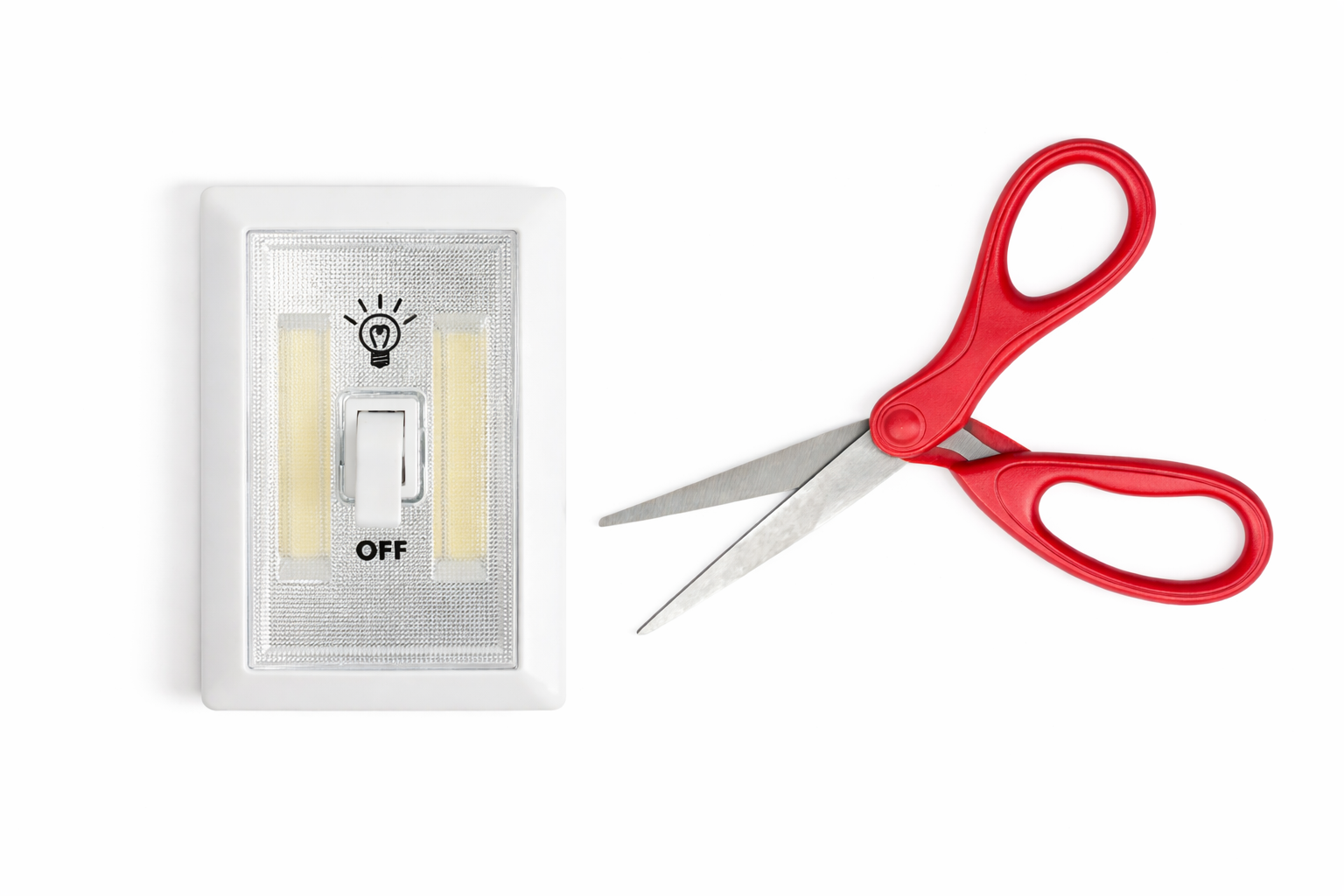
Cutting to the chase with CRISPR
⏱️ 6 min read | A new study uses “self-switching” genetic scissors to target the root cause of Huntington’s disease in mice – even after symptoms begin.
Huntington’s disease (HD) is caused by a repetition of the genetic letters C-A-G in the huntingtin gene. People who won’t develop HD have 35 or fewer CAGs, whereas people who go on to develop HD have 36 or more. Because the cause of HD is so clear, scientists have long been chasing a powerful idea: What if we could remove the mutant gene?
A new study in Science Advances takes a major step in that direction. Using CRISPRCRISPR A system for editing DNA in precise ways gene editing, researchers were able to directly remove the mutant huntingtin gene in the brains of HD mice – leading to long-lasting improvements in brain health, movement, and lifespan.
Going upstream: targeting the source of the problem
DNA stores the cell’s genetic instructions, which are copied into an RNARNA the chemical, similar to DNA, that makes up the 'message' molecules that cells use as working copies of genes, when manufacturing proteins. message that is used to make proteins, the molecules that do the actual work within cells. The extra CAGs in the huntingtin gene lead to an expanded protein that is believed to derail the inner workings of cells.
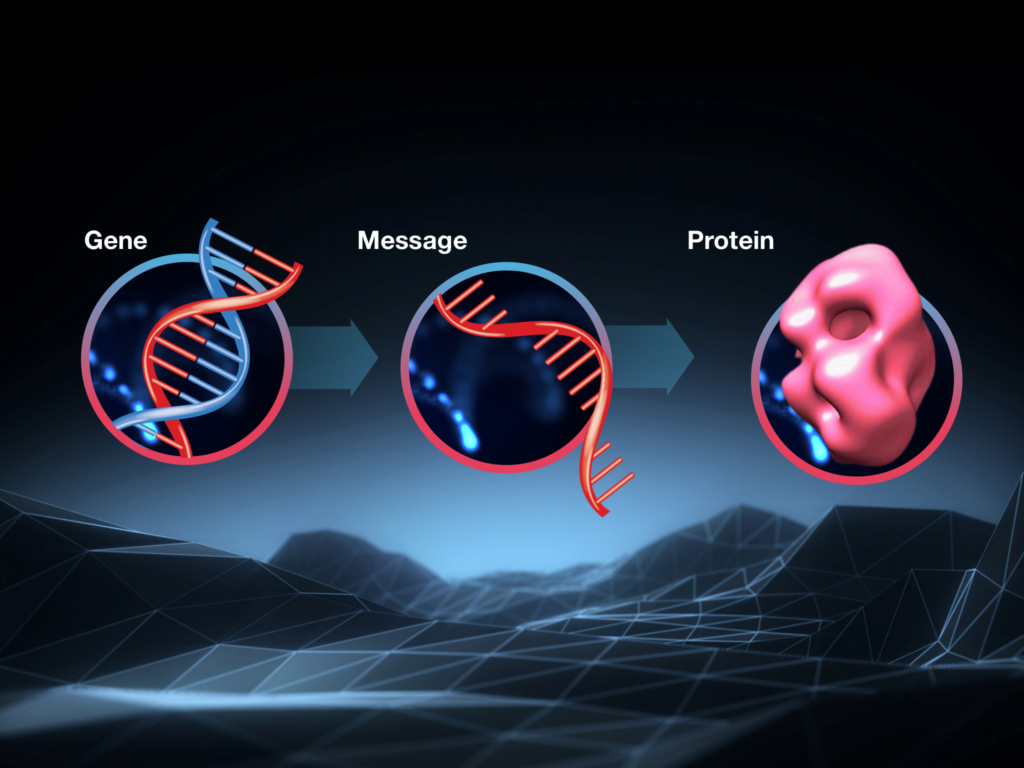
Most current therapeutic strategies for HD aim to lower levels of huntingtin RNARNA the chemical, similar to DNA, that makes up the 'message' molecules that cells use as working copies of genes, when manufacturing proteins. and protein. These include approaches like antisense oligonucleotidesASOs A type of gene silencing treatment in which specially designed DNA molecules are used to switch off a gene (ASOsASOs A type of gene silencing treatment in which specially designed DNA molecules are used to switch off a gene) or RNA interferenceRNA interference A type of gene silencing treatment in which specially designed RNA molecules are used to switch off a gene (RNAiRNA interference A type of gene silencing treatment in which specially designed RNA molecules are used to switch off a gene), which act at the RNARNA the chemical, similar to DNA, that makes up the 'message' molecules that cells use as working copies of genes, when manufacturing proteins. level – after the gene has already been read and copied.
CRISPRCRISPR A system for editing DNA in precise ways works differently. Instead of reducing the message or cleaning up the protein, CRISPRCRISPR A system for editing DNA in precise ways aims to change the DNA itself. This makes it a particularly attractive approach for HD, where a single faulty gene drives the entire disease.
CRISPRCRISPR A system for editing DNA in precise ways: molecular scissors with a built-in GPS
To understand why this recently published study is exciting, let’s take a closer look at how CRISPRCRISPR A system for editing DNA in precise ways works.
At its core, CRISPRCRISPR A system for editing DNA in precise ways is a way to edit DNA directly inside cells. But it’s not random – it’s precisely targeted. Think of it as a pair of molecular scissors guided by a GPS. DNA is incredibly long and densely packed – like a gigantic instruction manual. CRISPRCRISPR A system for editing DNA in precise ways needs a way to locate the exact spot to edit.

It uses a guide RNARNA the chemical, similar to DNA, that makes up the 'message' molecules that cells use as working copies of genes, when manufacturing proteins., which acts like a search term. This small piece of RNARNA the chemical, similar to DNA, that makes up the 'message' molecules that cells use as working copies of genes, when manufacturing proteins. is designed to match a specific DNA sequence—in this case, part of the huntingtin gene. Like using “find” in a massive document, the guide RNARNA the chemical, similar to DNA, that makes up the 'message' molecules that cells use as working copies of genes, when manufacturing proteins. scans the genomegenome the name given to all the genes that contain the complete instructions for making a person or other organism until it finds its perfect match.
Once the target is found, the guide RNARNA the chemical, similar to DNA, that makes up the 'message' molecules that cells use as working copies of genes, when manufacturing proteins. brings in a protein called Cas9 – the actual “scissors.” Cas9 cuts both strands of DNA at that precise location. This creates a break that the cell must urgently repair. When cells repair the cut, they often introduce small errors. These tiny changes can disrupt the gene, preventing it from working properly.
In this study, the researchers targeted a region just before the disease-causing CAG repeatCAG repeat The stretch of DNA at the beginning of the HD gene, which contains the sequence CAG repeated many times, and is abnormally long in people who will develop HD expansion in the HTTHTT one abbreviation for the gene that causes Huntington’s disease. The same gene is also called HD and IT-15 gene. And here’s the key idea: If the huntingtin gene is disrupted, it can no longer produce the RNARNA the chemical, similar to DNA, that makes up the 'message' molecules that cells use as working copies of genes, when manufacturing proteins. or protein.
A safer design: CRISPRCRISPR A system for editing DNA in precise ways that switches itself off
One of the biggest challenges with gene editing is safety.
If CRISPRCRISPR A system for editing DNA in precise ways stays active too long, it could cut unintended parts of the genomegenome the name given to all the genes that contain the complete instructions for making a person or other organism. To reduce this risk, the researchers designed a self-inactivating CRISPRCRISPR A system for editing DNA in precise ways system.
This means that CRISPRCRISPR A system for editing DNA in precise ways edits the gene and then turns itself off shortly after.
Think of it like a saw with an automatic safety shut-off—it cuts what it needs to, then immediately powers down to avoid causing extra damage.
“These findings represent an important step forward, while also underscoring that more work is needed before CRISPR-based therapies can become a reality for people with HD.“
Testing CRISPRCRISPR A system for editing DNA in precise ways in an HD mouse model
To test this approach, the researchers used a mouse model carrying a human version of the mutant huntingtin gene with a very long repeat expansion.These HD mice typically develop problems with coordination, balance, and movement, and clumps of huntingtin proteinhuntingtin protein The protein produced by the HD gene. (aggregatesaggregate Lumps of protein that form inside cells in Huntington’s disease and some other degenerative diseases) build up in their brain cells.
They delivered the CRISPRCRISPR A system for editing DNA in precise ways system directly into the brain using a viral vector, a modified virus that can enter cells, but is engineered to be harmless. This specialized packaging allowed the researchers to target regions most affected in HD, like the striatum and cortex.
The results were striking. Mutant huntingtin levels dropped by 60–90% and aggregatesaggregate Lumps of protein that form inside cells in Huntington’s disease and some other degenerative diseases were reduced by up to 90%. These aggregatesaggregate Lumps of protein that form inside cells in Huntington’s disease and some other degenerative diseases are a hallmark of HD pathology, and their reduction suggests a major improvement at the cellular level.
After CRISPRCRISPR A system for editing DNA in precise ways treatment, gait abnormalities improved, motor coordination increased and hyperactive, repetitive movements were reduced. Beyond the brain, treated mice showed reduced weight loss and extended lifespan, approaching that of healthy animals.

One of the most encouraging findings was that CRISPRCRISPR A system for editing DNA in precise ways was effective at different stages of disease. Administering the CRISPRCRISPR A system for editing DNA in precise ways system to the mice before symptoms began led to strong prevention of HD-like movement problems and fewer aggregatesaggregate Lumps of protein that form inside cells in Huntington’s disease and some other degenerative diseases. When the mice received the viral vector as symptoms were just beginning, they showed clear improvements. But even when given after symptoms were established, there seemed to be meaningful benefits.
This suggests that even after the disease has begun, targeting the HD gene itself can still make a difference.
Looking ahead
This study shows that editing the huntingtin gene with a self-inactivating CRISPRCRISPR A system for editing DNA in precise ways system can reduce toxic protein, improve symptoms, and extend lifespan in HD mice – even when treatment begins after disease onset. These results highlight the potential of gene editing to target the root cause of Huntington’s disease in a long-lasting way.
However, several key challenges remain before this approach could be used in people. Ensuring safety is critical, as unintended DNA edits could have serious consequences in humans. Delivering gene-editing tools across the human brain – which is around 1,000 times larger than a mouse brain – also remains a major hurdle. In addition, most people with HD carry both a healthy and a mutant copy of the gene, so therapies need to be developed to target only the harmful version. Finally, moving from successful experiments in mice to safe and effective treatments in humans requires many additional scientific and regulatory steps.
Together, these findings represent an important step forward, while also underscoring that more work is needed before CRISPRCRISPR A system for editing DNA in precise ways-based therapies can become a reality for people with HD.
Summary
- Huntington’s disease is caused by a single faulty gene—making it a strong candidate for gene-editing therapies like CRISPRCRISPR A system for editing DNA in precise ways.
- Researchers used CRISPRCRISPR A system for editing DNA in precise ways “molecular scissors” to cut and disrupt the mutant huntingtin gene directly in the brain.
- The team developed a self-inactivating CRISPRCRISPR A system for editing DNA in precise ways system that switches itself off after editing, improving safety.
- This approach reduced toxic protein levels by up to 90% and improved movement, behavior, and lifespan in HD mice.
- Benefits were seen even when treatment was given after symptoms had started, highlighting the potential for long-lasting therapies that target the root cause of HD.
For more information about our disclosure policy see our FAQ…