
DNA Repair in Huntington’s Disease: Not Up to Par?
Genetic mutations occur everyday in our cells, but the vast majority of them are repaired. New research finds DNA repair is not on PAR in HD cells, causing mutations to build up in people with HD.
Scientists are working to understand some of the earliest changes to DNA repair caused by Huntington’s disease (HD) – insights that could help uncover new therapeuticstherapeutics treatments and new ways to target somatic expansionsomatic expansion A process in which the CAG repeat in the Huntingtin gene can change over a person’s lifetime in some cells of the body, particularly in the brain., a key driver of disease progression. A molecule that helps fix DNA damage – called PAR – is lower than expected in people with the HD gene. This suggests that cells may struggle to properly repair their DNA from the natural wear-and-tear damage that happens everyday to DNA. These findings could have implications for changes in the DNA repair process that drives somatic instabilitysomatic expansion A process in which the CAG repeat in the Huntingtin gene can change over a person’s lifetime in some cells of the body, particularly in the brain.. The discovery could help researchers explore new ways to protect brain cells by boosting the cell’s natural repair systems.
Genetic Mutations and Repairs
The term genetic mutation gets thrown around quite a bit, but what does it actually mean? In short, a genetic mutation is any change to the letters of DNA – the cell’s instruction manual for building proteins. These changes can alter how the genetic code is read and used by cells, sometimes disrupting the function of proteins, the cell’s molecular machines. One striking example are mutations in the HTTHTT one abbreviation for the gene that causes Huntington’s disease. The same gene is also called HD and IT-15 gene, which significantly disrupts the activity of its coded protein, leading to HD.
While the mutation that causes HD is inherited at birth, our cells also collect new mutations as we age. The consequence of these random age-related mutations is difficult to predict, but generally speaking, they contribute to age-related diseases like cancer and neurodegenerationneurodegenerative A disease caused by progressive malfunctioning and death of brain cells (neurons). Fortunately, these age-related mutations are normal and are mostly repaired and fixed before they cause problems.
But unfortunately, this process is not working right in HD. Previous studies have noticed that cells from people with the gene for HD tend to build up more mutations over their lives, likely a result of faulty DNA repair machinery. Faults with the DNA repair machinery lead to somatic expansionsomatic expansion A process in which the CAG repeat in the Huntingtin gene can change over a person’s lifetime in some cells of the body, particularly in the brain., a biological process that increases the CAG repeat length in the HTTHTT one abbreviation for the gene that causes Huntington’s disease. The same gene is also called HD and IT-15 gene in some cells over time. A new study led by Dr. Ray Truant and his team at McMaster University investigated how the HD mutation disrupts DNA repair and identified a prime suspect: defective PARylation.
A Broken Spell Checker
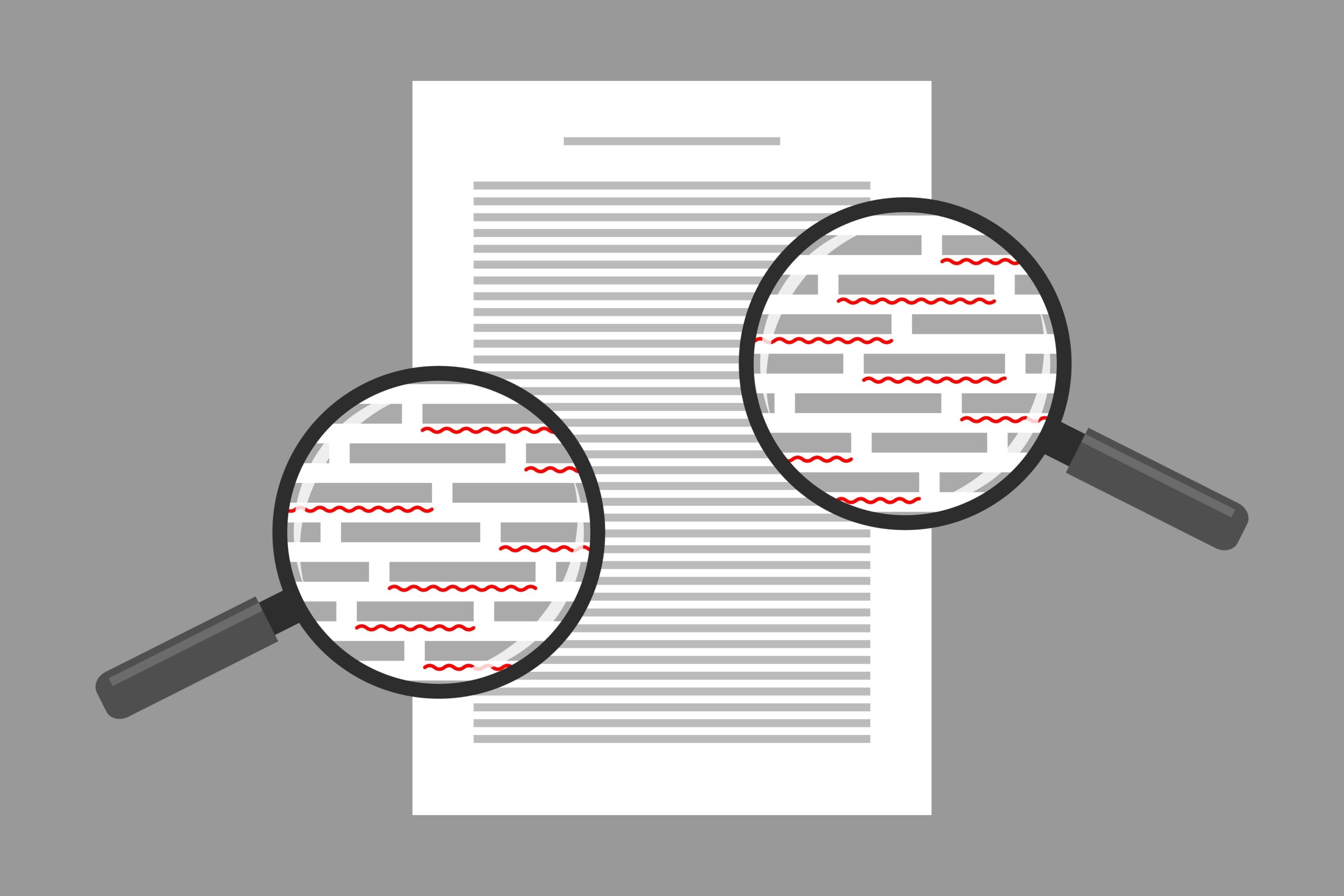
Cells are equipped with sophisticated systems to fix DNA damage, and one key pathway is PARylation. PARylation involves building long chains of a molecule called PAR (Poly-ADP-Ribose) on regions of damaged DNA. These long chains act like molecular handles for DNA repair enzymes to latch onto and begin fixing the DNA. In this way, PAR chains are like the red squiggly lines in a Word document highlighting spelling errors. However, like a broken spell checker, HD cells are missing many of these red squiggly lines despite having more mutations.
To investigate, Truant’s team first analyzed the amount of PAR chains in the spinal fluid, a substance that bathes the brain, from people with HD. Because PAR chains are produced in response to DNA damage, and people with HD have higher levels of DNA damage, they expected to find more PAR chains.
However, what they found surprised them – people with HD had fewer PAR chains. This paradox was then examined using cells from people with HD, which did not show elevated levels of PAR chains despite having elevated levels of DNA damage. These results suggest that the machinery for building PAR chains, and thus repairing DNA, may not be able to keep up with demand!
PAR chains are like the red squiggly lines in a Word document highlighting spelling errors. However, like a broken spell checker, HD cells are missing many of these red squiggly lines despite having more mutations.
Not On PAR
Why might there be fewer PAR chains in HD cells despite having more DNA damage? To figure out why, the researchers needed to examine the underlying protein machinery. PARylation relies on two key enzymes: PARP, which builds PAR chains to initiate DNA repair, and PARG, which cuts them up once repairs are complete.
So the researchers asked, is PARG overactive? Or is PARP underperforming? After some careful biochemistry, they found the latter seems to be true – PARP activity seemed to be reduced in HD cells, explaining the shortage of PAR chains and perhaps the increased rates of mutation.
The team then turned their attention to HTTHTT one abbreviation for the gene that causes Huntington’s disease. The same gene is also called HD and IT-15. Since the HTTHTT one abbreviation for the gene that causes Huntington’s disease. The same gene is also called HD and IT-15 protein acts as a scaffold, binding to lots of other proteins, they wondered if the mutated version that causes HD might interfere with HTTHTT one abbreviation for the gene that causes Huntington’s disease. The same gene is also called HD and IT-15 interacting with PARylated proteins. Because PAR chains also form on proteins in addition to DNA, they compared the proteins that HTTHTT one abbreviation for the gene that causes Huntington’s disease. The same gene is also called HD and IT-15 is known to interact with to the proteins known to be PARylated. They found that nearly half of the proteins that HTTHTT one abbreviation for the gene that causes Huntington’s disease. The same gene is also called HD and IT-15 interacts with are also PARylated.
This raises the suspicion that HTTHTT one abbreviation for the gene that causes Huntington’s disease. The same gene is also called HD and IT-15 itself could be modified by PAR. If it is, and this process is altered by mutant HTTHTT one abbreviation for the gene that causes Huntington’s disease. The same gene is also called HD and IT-15, it might explain the differences in the PAR chains they saw in HD cells.
HTTHTT one abbreviation for the gene that causes Huntington’s disease. The same gene is also called HD and IT-15 and PAR Chains
To test if HTTHTT one abbreviation for the gene that causes Huntington’s disease. The same gene is also called HD and IT-15 interacts with PAR chains, the team used a high-tech microscope to track where HTTHTT one abbreviation for the gene that causes Huntington’s disease. The same gene is also called HD and IT-15 and PAR chains are found in living cells. Although PAR chains and HTTHTT one abbreviation for the gene that causes Huntington’s disease. The same gene is also called HD and IT-15 did not overlap most of the time, they did overlap on chromosomeschromosomes Long strings of genes, tightly coiled into packages of DNA inside cells. Each cell's DNA is stored as 46 chromosomes. The HD gene is on chromosome 4. Each chromosome has two copies, one inherited from each parent. when cells divide.
Additionally, when they turned off PAR chain production by blocking PARP activity, HTTHTT one abbreviation for the gene that causes Huntington’s disease. The same gene is also called HD and IT-15 no longer overlapped, suggesting that PAR chains might be guiding HTTHTT one abbreviation for the gene that causes Huntington’s disease. The same gene is also called HD and IT-15 to chromosomeschromosomes Long strings of genes, tightly coiled into packages of DNA inside cells. Each cell's DNA is stored as 46 chromosomes. The HD gene is on chromosome 4. Each chromosome has two copies, one inherited from each parent. during cell division. Although the importance of HTTHTT one abbreviation for the gene that causes Huntington’s disease. The same gene is also called HD and IT-15 and PAR chains overlapping during cell division was not investigated further, it does suggest there could be a functional interaction between them!
To strengthen their case, the researchers used a couple more techniques to confirm the interaction between HTTHTT one abbreviation for the gene that causes Huntington’s disease. The same gene is also called HD and IT-15 and PAR chains. First, they looked closely at the molecular structure of the HTTHTT one abbreviation for the gene that causes Huntington’s disease. The same gene is also called HD and IT-15 protein and found many slots that looked like they could fit a PAR chain. Then, using a high-resolution microscope, they directly visualized the PAR chains produced by PARP with and without HTTHTT one abbreviation for the gene that causes Huntington’s disease. The same gene is also called HD and IT-15 present. They noticed PARP produced far more elaborate PAR chains when HTTHTT one abbreviation for the gene that causes Huntington’s disease. The same gene is also called HD and IT-15 was around, suggesting that HTTHTT one abbreviation for the gene that causes Huntington’s disease. The same gene is also called HD and IT-15 was stimulating PARP activity. Importantly, mutant forms of HTTHTT one abbreviation for the gene that causes Huntington’s disease. The same gene is also called HD and IT-15 did not have any stimulating effect on PARP activity, possibly explaining the reduced production of PAR chains in people with HD.
In cells without the HD gene, HTT stimulates PARylation and promotes efficient DNA repair. However, in HD, the mutant HTT protein fails to stimulate PARP, leading to fewer PAR chains, impaired DNA repair, and an accumulation of mutations that could participate in neurodegeneration.
Implications for HD and Beyond
These findings paint a clear picture: in cells without the HD gene, HTTHTT one abbreviation for the gene that causes Huntington’s disease. The same gene is also called HD and IT-15 stimulates PARylation and promotes efficient DNA repair. However, in HD, the mutant HTTHTT one abbreviation for the gene that causes Huntington’s disease. The same gene is also called HD and IT-15 protein fails to stimulate PARP, leading to fewer PAR chains, impaired DNA repair, and an accumulation of mutations that could participate in neurodegenerationneurodegenerative A disease caused by progressive malfunctioning and death of brain cells (neurons).
These findings are exciting because they help researchers better understand the underlying defects in HD cells, but perhaps more importantly, they open up therapeutic possibilities.
Much of the interest surrounding PARP is due to the publicity it has received in an entirely different domain of research – cancer, where dozens of molecules targeting PARP have already been teased out. Because drugs designed to modulate PARP activity have already been tested for safety, they could potentially be repurposed for HD, accelerating its path to clinical trials. Although any repurposed drugs would still need to be thoroughly tested, this research opens up exciting new therapeutic roads that may address the issue of mutations building up, a critical problem with cells in HD.
Learn More
Original research article, “Poly ADP-ribose signaling is dysregulated in Huntington disease” (Open access).
For more information about our disclosure policy see our FAQ…